

Hay Guides
What Homeowners Should Know About Where to Buy Straw
Jun
What Homeowners Should Know About Where to Buy Straw
For homeowners, knowing where to buy straw can be surprisingly useful. Whether you’re planning a new garden project, looking for comfortable bedding for small animals, or need effective erosion control, straw is a versatile and eco-friendly material. But not all straw is created equal, and finding a reliable source is key to getting the quality you need without breaking the bank. This guide will walk you through the best options for sourcing straw, helping you make an informed decision for your specific needs.
Straw, the dry stalks of cereal grains after the grain and chaff have been removed, differs significantly from hay. While hay is grown as an animal feed, straw’s primary uses are bedding, mulching, and construction. Understanding these differences is important when deciding where to buy straw and what type to look for.
Local Sources: Finding Straw Near You
When considering where to buy straw, local options often provide the best value and freshest product. Direct farm purchases can save you money on delivery and allow you to inspect the straw before buying.
Farmers and Agricultural Suppliers
Many local farmers sell straw directly from their fields, especially after harvest season. This is often the most cost-effective way to buy straw in larger quantities. Check local classifieds, agricultural co-ops, or even drive through rural areas during late summer and fall to spot ‘Straw for Sale’ signs. Building a relationship with a local farmer can ensure a consistent supply.
Agricultural supply stores, feed stores, and garden centers are also excellent places to look. They might not always have the cheapest prices, but they offer convenience and often sell smaller, more manageable bales. These stores typically cater to both hobby farmers and homeowners, ensuring a steady supply of quality straw.
Don’t overlook community bulletin boards at supermarkets or post offices in rural towns. Sometimes, small-scale producers advertise their straw sales there. It’s a great way to support local agriculture while securing your supply.
Online Retailers and Delivery Services
For those who prefer convenience or live in areas with fewer local agricultural options, online retailers and delivery services have become a viable answer to where to buy straw.
Specialized Hay & Forage Stores
Online stores like Hay Hub specialize in delivering quality forage products, including straw bales, directly to your door. This is particularly useful for homeowners who need a specific type of straw or prefer not to handle transportation themselves. While the per-bale cost might be slightly higher due to shipping, the convenience can outweigh the extra expense, especially for bulk orders or larger, compressed bales.
When purchasing online, always check the seller’s reputation, read customer reviews, and confirm their delivery policies. Reputable sellers will provide clear descriptions of their straw, including its origin and type, helping you make an informed decision about where to buy straw.
Another benefit of online stores is the accessibility of different straw types, such as wheat, oat, or barley straw, which might not be readily available in your immediate vicinity. This variety allows for more tailored applications, whether you’re mulching delicate plants or providing bedding for sensitive animals.
Considerations When You Buy Straw
Before making a purchase, there are several factors to consider to ensure you’re getting the right product for your needs.
Straw Type and Quality
The type of grain from which the straw is derived can impact its properties. Wheat straw is generally stiff and durable, making it excellent for bedding and erosion control. Oat straw tends to be softer and more palatable, sometimes used for animal feed (though it’s primarily bedding). Barley straw falls somewhere in between.
Quality is paramount. Look for straw that is dry, golden in color, and free from mold, dust, or excessive weeds. Moldy straw can be harmful to animals and ineffective for gardening. A fresh, clean scent is a good indicator of quality. Avoid straw that smells musty or damp.
If you’re using straw for animal bedding, ensure it’s free from pesticides or herbicides, especially if your animals are prone to nibbling. Always ask your supplier about their farming practices if this is a concern.
Bale Size and Quantity
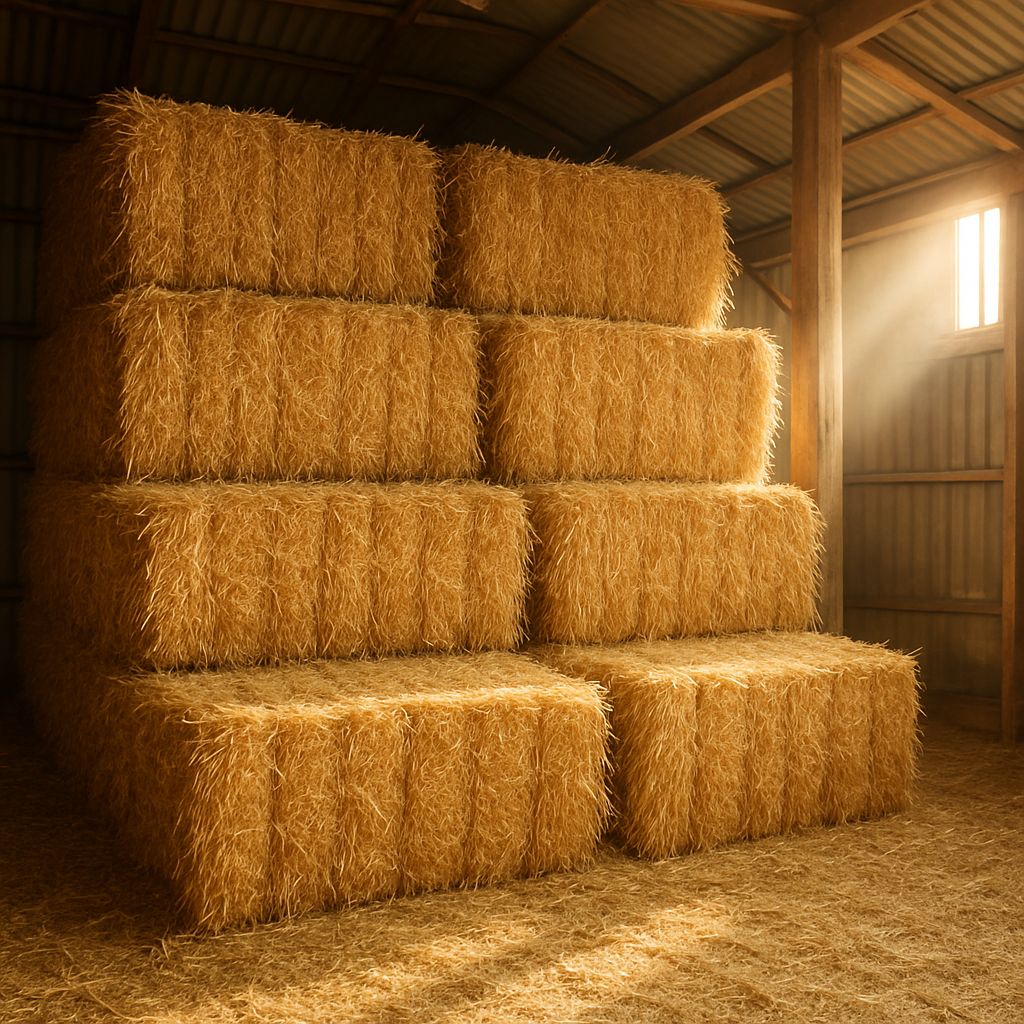
Straw is typically sold in small square bales or large round bales. Small square bales are easier to handle, transport, and store for homeowners. They usually weigh between 40-60 pounds and are suitable for most residential projects. Large round bales, weighing hundreds of pounds, are more suited for commercial use or very large properties with appropriate equipment for handling.
Estimate how much straw you’ll need. For gardening, a few small bales can cover a significant area. For animal bedding, consider the number of animals and how frequently you’ll need to refresh their bedding. Buying in bulk often reduces the per-bale cost, but ensure you have adequate, dry storage space to prevent spoilage.
Uses for Straw Around Your Home
Once you know where to buy straw, understanding its diverse applications can help you maximize its potential. Straw is not just for farms; it’s a valuable resource for any homeowner.
Gardening and Landscaping
Straw is an excellent mulch for vegetable gardens and flower beds. It suppresses weeds, retains soil moisture, regulates soil temperature, and slowly breaks down to add organic matter to the soil. Using straw as mulch can significantly reduce watering needs and improve soil health over time.
It’s also ideal for protecting plants during winter months. A thick layer of straw can insulate delicate perennials and root crops from harsh frosts. For new lawn seeding, a thin layer of straw can protect seeds from birds and prevent erosion while allowing sunlight and water to reach the soil. For more in-depth gardening tips, check out our hay guides.
Animal Bedding
For pet owners with chickens, rabbits, guinea pigs, or even horses, straw provides warm, absorbent, and comfortable bedding. It helps to keep animals dry, insulates them from cold surfaces, and can be easily composted with animal waste after use, creating nutrient-rich fertilizer for your garden.
When using straw for animal bedding, ensure it is dust-free to prevent respiratory issues. Regular changing of bedding is essential for maintaining a clean and healthy environment for your animals.
Conclusion: Your Guide to Where to Buy Straw
Finding where to buy straw doesn’t have to be a challenge. By exploring local farms, agricultural suppliers, and reputable online stores like our hay bales shop, you can secure quality straw for all your needs. Remember to consider the straw type, quality, and bale size to ensure it’s suitable for your specific application, whether it’s gardening, animal bedding, or another home project.
We hope this guide helps you confidently source the perfect straw for your home. Ready to get started? Browse our selection of premium straw bales and have them delivered directly to your door.
