


Hay Guides
Is Using Straw Bale for Your Livestock Bedding Right? You Might Be Surprised
May
Is Using Straw Bale for Your Livestock Bedding Right?
When it comes to animal husbandry, the comfort and well-being of your livestock are paramount. One of the most fundamental decisions you’ll make is selecting the right bedding material. For centuries, farmers have turned to the humble straw bale, but is it truly the best option in today’s agricultural landscape? Let’s dive deep into the world of straw bedding and discover if it’s the right fit for your farm.
The choice of bedding impacts everything from animal health and cleanliness to your daily workload and bottom line. A good bedding material provides insulation, absorbs moisture, and offers a comfortable surface for animals to rest, reducing stress and injury. A poor choice, however, can lead to respiratory issues, skin problems, and even increased veterinary bills. Understanding the nuances of each option is key, and straw bale certainly has a strong case.
The Enduring Appeal of Straw Bale for Livestock
Straw bale has remained a staple in many barns and stables for good reason. It’s readily available, often affordable, and offers a natural, traditional feel that many livestock owners appreciate. But its appeal goes beyond tradition; there are tangible benefits that make it a compelling choice for various types of animals.
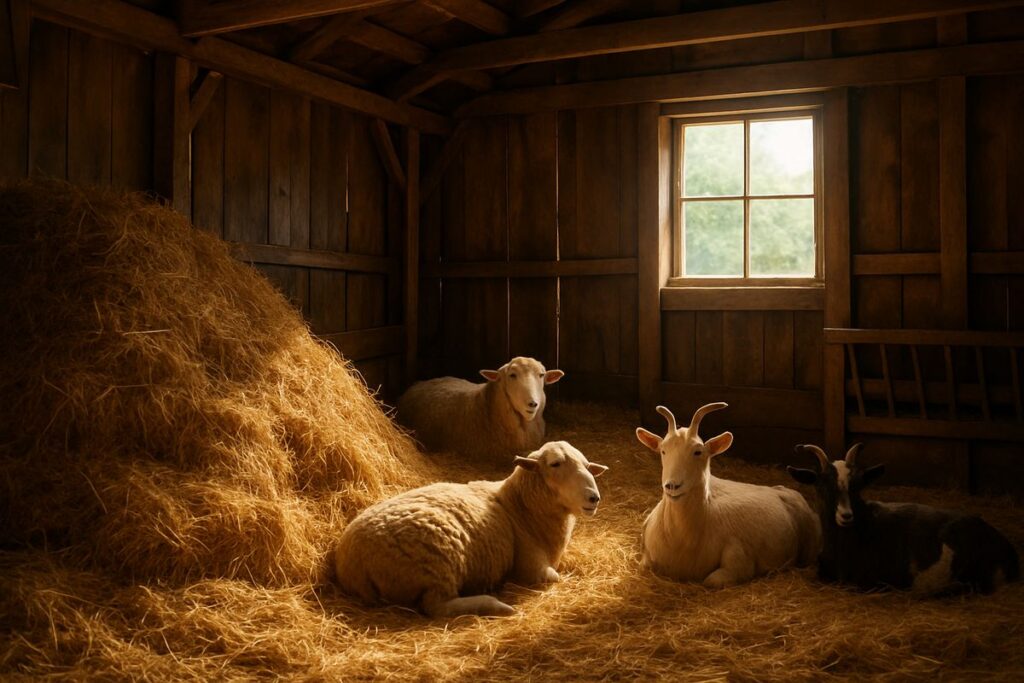
Think about the natural instincts of many farm animals – they seek soft, dry places to lie down. A thick layer of straw provides just that. It’s not just about comfort; it’s about creating an environment that supports their natural behaviors and promotes a sense of security. This can be especially important for young animals or those recovering from illness.
Why Farmers Turn to Straw, Time and Again
Beyond its availability, straw offers excellent insulation. This is particularly valuable in colder climates, where a deep bed of straw can help animals retain body heat, reducing the energy they expend just to stay warm. For newborn calves or foals, this insulation can be life-saving. Straw also promotes natural nesting behaviors in pigs and poultry, contributing to their welfare.
Its ability to absorb moisture is another significant advantage, helping to keep stalls dry and reduce ammonia build-up. This is crucial for preventing respiratory problems and maintaining good hoof health. A dry environment also inhibits the growth of harmful bacteria and parasites, contributing to a healthier herd or flock.
Understanding the Benefits of Straw Bale Bedding
Let’s break down the specific advantages that make straw bale a popular choice. From animal health to environmental impact, its benefits are numerous and diverse, touching on almost every aspect of farm management.
- Excellent Insulation: A deep straw bed provides superior warmth, crucial for young animals and in cold weather. This reduces the need for supplemental heating in some cases.
- Moisture Absorption: Straw effectively wicks away urine and moisture, keeping the animal’s resting area dry and clean, which is vital for preventing skin and hoof issues.
- Comfort and Cushioning: Its soft nature offers a comfortable, yielding surface for animals to lie on, reducing pressure sores and promoting restful sleep.
- Promotes Natural Behavior: Many animals enjoy rooting, nesting, and lying in straw, which supports their instinctual behaviors and reduces stress.
- Biodegradable and Compostable: Spent straw bedding breaks down easily, enriching compost piles and returning organic matter to the soil, improving soil structure and fertility.
- Cost-Effective: Often, straw is one of the most affordable bedding options, especially if sourced locally from grain farmers, making it economical for large-scale operations.
These benefits collectively contribute to healthier, happier livestock and a more sustainable farming practice. The long-term advantages often outweigh any initial perceived drawbacks.
Potential Drawbacks and Considerations for Straw Bale
While straw bale offers many benefits, it’s not without its challenges. Being aware of these potential downsides allows you to make informed decisions and implement strategies to mitigate them.
One of the primary concerns is dust. Depending on the straw’s quality and how it’s handled, it can be quite dusty, which may exacerbate respiratory issues in sensitive animals or handlers. Proper ventilation and sourcing high-quality, less dusty straw can help alleviate this.
Managing Dust, Pests, and Storage for Your Straw Bale
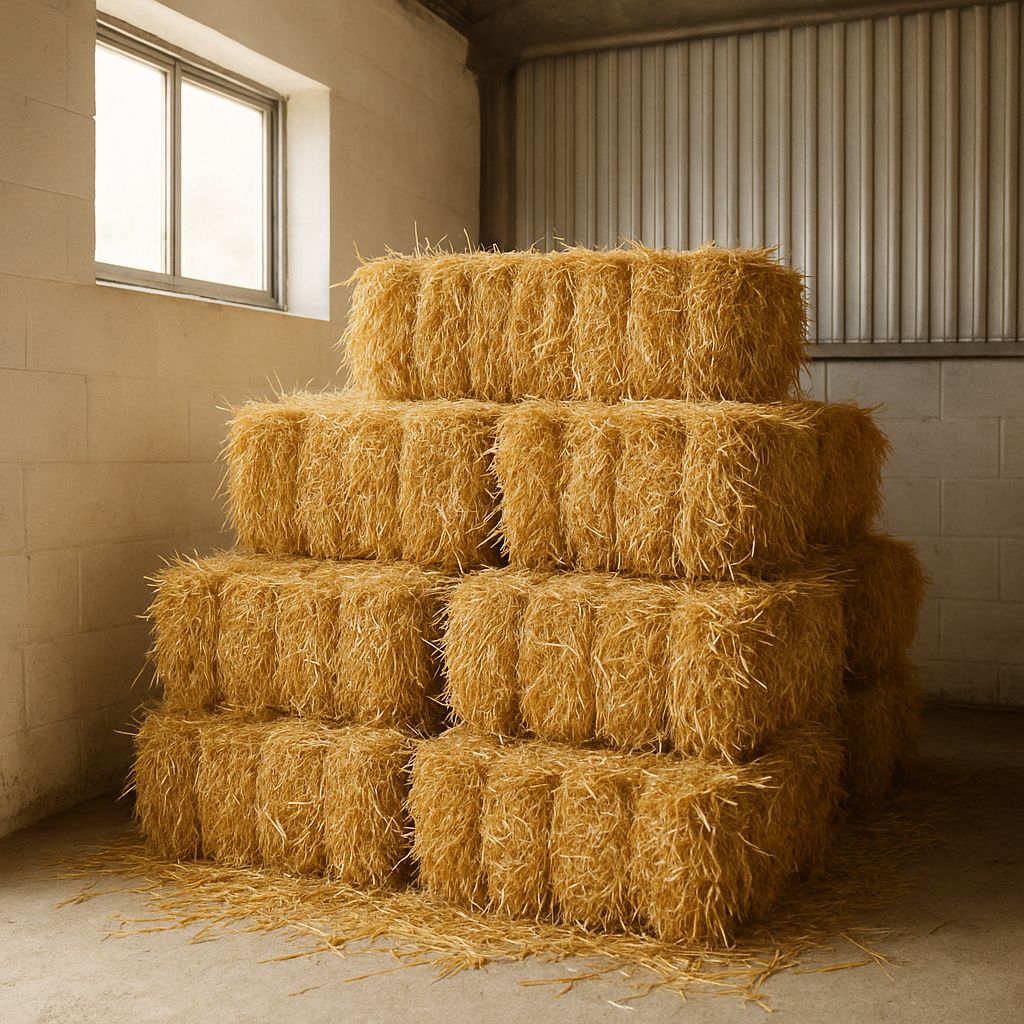
Storage is another consideration. Straw bales take up a significant amount of space and need to be kept dry to prevent mold and spoilage. A dedicated, weather-proof storage area is essential to protect your investment. Without proper storage, your straw can quickly become unusable.
Furthermore, straw can harbor pests if not managed correctly. Mice and rats find cozy homes and food sources within straw bales. Implementing a robust pest control strategy around your storage and bedding areas is crucial. Regular removal of soiled bedding also helps deter pests and maintains a hygienic environment.
Comparing Straw to Other Bedding Options
It’s helpful to view straw bale in context by comparing it to other common bedding materials. Each has its own set of pros and cons, and the best choice often depends on your specific needs, animal type, and budget.
Straw Bale vs. Shavings, Pellets, and Sand
Wood shavings are popular for their absorbency and relatively low dust, especially kiln-dried options. However, they can be more expensive than straw and composting them can be slower due to their carbon-to-nitrogen ratio. Pellets are highly absorbent and create very little dust but are often the most costly option and require moisture to break down into a soft bed.
Sand is excellent for cooling and drainage, making it a good choice in hot climates for horses. It’s non-organic, so it doesn’t support bacterial growth as much, but it can be abrasive, difficult to clean, and doesn’t offer insulation. For deep, warm bedding, straw stands out. When considering your options, weigh the initial cost against long-term benefits and labor.
Best Practices for Using Straw Bale Bedding
To maximize the benefits of straw bale and minimize its drawbacks, implementing best practices is essential. This ensures the health and comfort of your animals and the efficiency of your farm operations.
Tips for a Healthier and More Efficient Bedding System
Start with a deep bed. For most livestock, a minimum of 6-8 inches of straw is recommended, and more for colder conditions or young animals. This depth provides insulation and allows for effective moisture absorption. Regularly fork through the bedding to aerate it and identify wet spots that need removal.
Muck out soiled areas daily. While a deep litter method can work with straw, daily spot cleaning helps maintain hygiene and reduces ammonia levels. Completely strip and re-bed stalls or pens periodically, depending on animal density and environmental factors. Proper ventilation in your barns is also critical to disperse dust and ammonia, regardless of bedding choice.
Where to Source Quality Straw Bale
The quality of your straw bale significantly impacts its performance as bedding. Sourcing from reputable suppliers is key to avoiding issues like excessive dust, mold, or weed seeds.
Look for bright, golden straw that smells fresh and clean, without any musty odors. It should be free of visible mold or excessive dust. Building relationships with local grain farmers can often lead to the best quality and prices. Don’t hesitate to inspect a bale before committing to a larger purchase. You can also explore options at a hay bales shop for convenience and assured quality.
Understanding the local market and seasonal availability can also help you plan your purchases strategically, ensuring you have a consistent supply of good quality straw throughout the year.
Straw has been used for centuries, and for good reason. Understanding its unique characteristics, both advantages and disadvantages, allows you to make an informed decision for your farm. By choosing wisely and implementing sensible management practices, you can ensure your animals remain healthy and comfortable, ultimately contributing to a more productive and humane farming environment. For more information on feed and forage, check out our hay guides and other resources.
The comfort provided by a good straw bed can’t be overstated. It’s not just about keeping animals off the cold ground; it’s about providing a soft, natural environment that supports their well-being. This, in turn, can lead to reduced stress, fewer injuries, and overall happier animals. Making the right choices for your bedding directly contributes to the success of your operation.
For centuries, the humble straw bale has played a vital role in animal welfare, and it continues to be a valuable resource for modern farmers. Its natural properties, combined with proper management, make it an excellent choice for a variety of livestock. While alternatives exist, the enduring appeal and proven benefits of straw make it a strong contender for anyone seeking effective and sustainable bedding solutions.
Ready to provide your animals with the best? Explore our range of quality forage and bedding options today. Visit our hay bales shop to find the perfect straw bale for your livestock needs.
