

Hay Guides
Small Bale Hay: 7 Proven Benefits for Your Livestock | Hay Hub
May
Small Bale Hay: The Ultimate Guide
When it comes to feeding livestock, the choice of hay format can significantly impact efficiency, animal health, and your bottom line. Small bale hay stands out as a traditional yet highly effective option, offering a multitude of benefits for various farm operations, from small hobby farms to larger equestrian centers. Understanding these advantages is key to making informed decisions about your forage supply.
Small bale hay, typically weighing between 40 to 70 pounds, is a preferred choice for many due to its manageable size and ease of distribution. This format has been a staple in agriculture for generations, and for good reason. It allows for precise feeding, reduces waste, and offers greater flexibility in storage and transportation. Let’s delve into the specific benefits that make small bale hay an excellent choice for your animals.
The Practical Advantages of Small Bale Hay
One of the most immediate benefits of opting for small bale hay is its unparalleled ease of handling. Unlike large round or square bales that require heavy machinery, small bales can be moved by hand, making them ideal for farms without specialized equipment. This reduces labor costs and the need for expensive machinery, which is a significant advantage for smaller operations or those with limited budgets.
The manageable size also means that individual bales can be easily lifted, stacked, and transported by a single person. This flexibility extends to feeding time, allowing for precise portions to be delivered to individual animals or small groups. Such precision helps in monitoring feed intake and can be crucial for animals with specific dietary requirements or those recovering from illness.
Enhanced Feed Quality and Preservation
Maintaining the quality of hay is paramount for animal health. Small bale hay inherently offers superior quality preservation compared to larger bales. When hay is baled in smaller units, the risk of moisture penetration and subsequent spoilage is significantly reduced. Each bale acts as a self-contained unit, protecting the inner layers from environmental damage.
This format allows for quicker drying during the baling process, which is critical for preventing mold and mildew growth. Moldy hay can be detrimental to an animal’s health, leading to respiratory issues, digestive problems, and reduced nutrient absorption. By minimizing these risks, small bale hay ensures that your animals receive consistently high-quality forage.
Optimizing Storage with Small Bale Hay
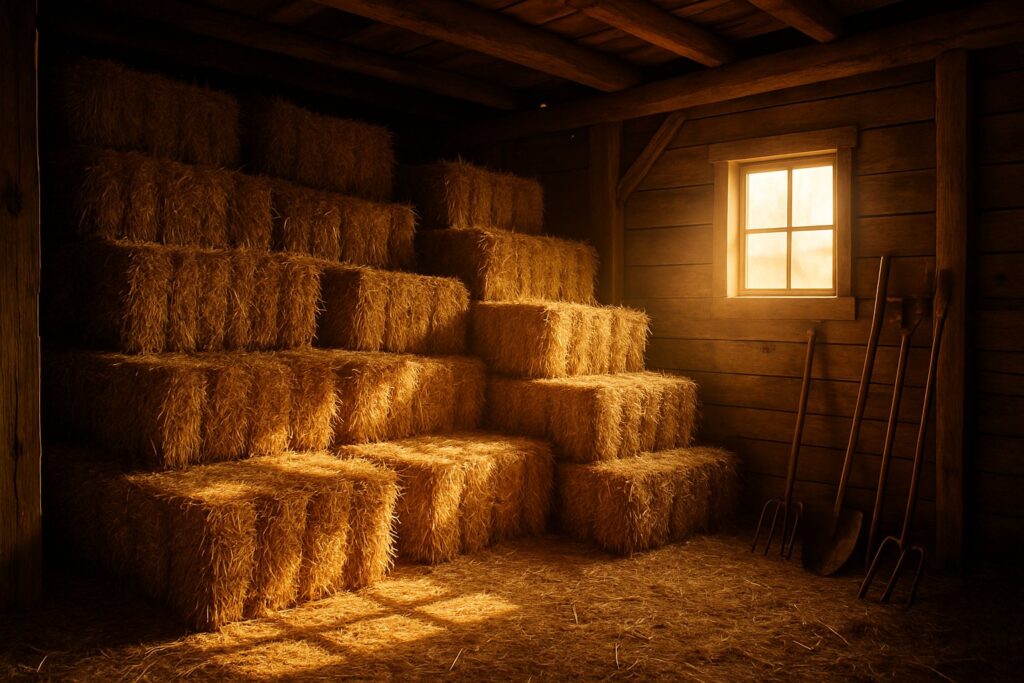
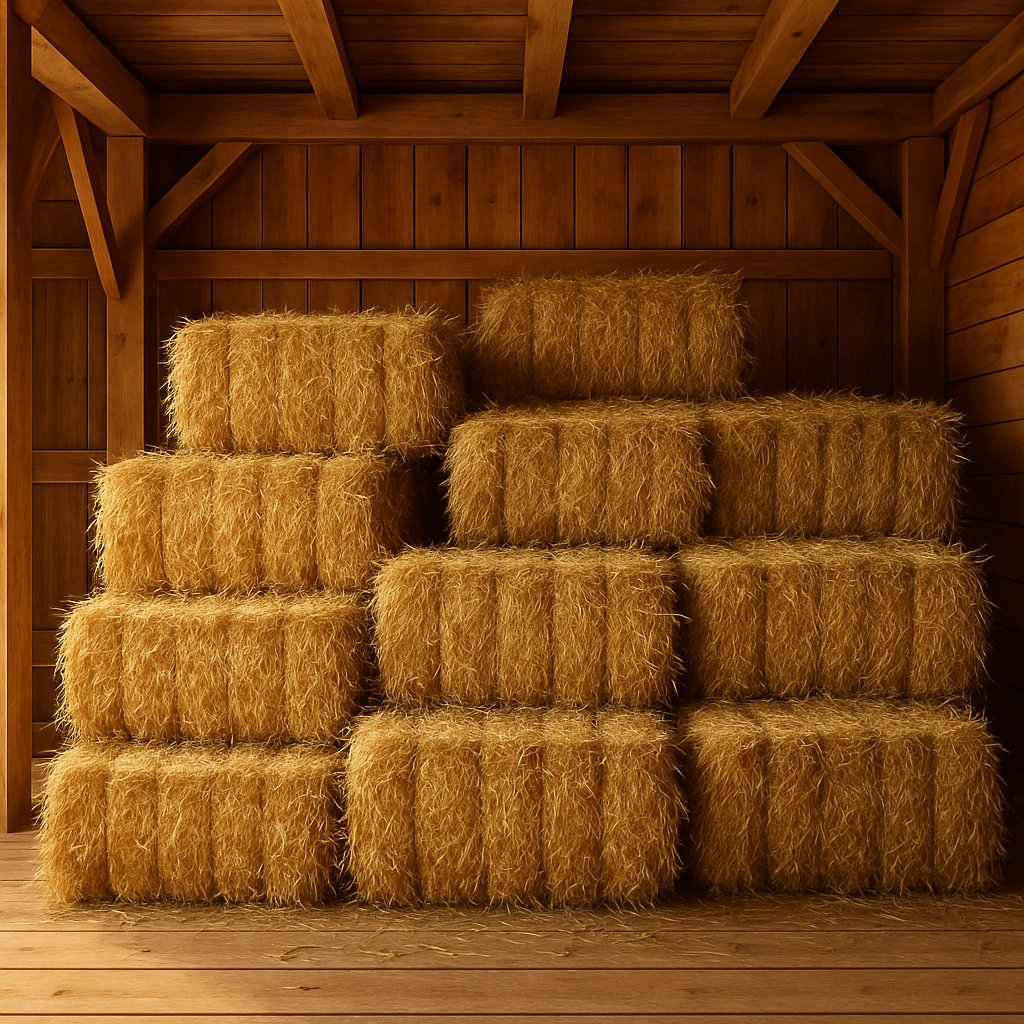
Storage efficiency is another major benefit. Small bale hay can be stacked tightly and compactly, maximizing the use of available storage space. This is particularly advantageous for farms with limited barn or shed capacity. The rectangular shape of small bales allows for neat, stable stacks that can reach considerable heights without the risk of collapse.
Furthermore, the ability to store bales indoors protects them from adverse weather conditions, such as rain, snow, and excessive sunlight, all of which can degrade hay quality. Proper indoor storage preserves the nutritional value and palatability of the hay, ensuring that your animals receive the best possible feed throughout the year. For optimal results, ensure your storage area is well-ventilated and dry.
Reduced Waste and Cost-Effectiveness
Waste reduction is a critical factor in farm economics, and small bale hay excels in this area. Because portions can be easily controlled, animals are less likely to trample or soil excess hay. This precise feeding mechanism ensures that more of the hay is consumed, leading to less waste and, ultimately, more efficient use of your resources.
While the initial cost per pound of small bale hay might sometimes be slightly higher than large bales, the reduction in waste often makes it more cost-effective in the long run. Less spoilage, less rejection by animals, and easier management contribute to significant savings over time. Consider the total cost of feeding, not just the purchase price, to fully appreciate the value of small bale hay.
Versatility for Various Livestock and Uses
The versatility of small bale hay makes it suitable for a wide range of livestock, including horses, cattle, sheep, goats, and even smaller animals like rabbits and guinea pigs. Its manageable size means it can be easily distributed to individual stalls, pens, or small pastures, catering to the specific needs of different animal types and sizes.
For horse owners, in particular, small bale hay is often preferred due to its ability to be weighed out precisely for controlled feeding, which is crucial for maintaining optimal equine health and preventing conditions like colic or laminitis. It also allows for easy transport for shows or trail rides, providing consistent feed away from home. Explore our range of hay bales shop for various livestock needs.
Healthier Feeding Practices with Small Bale Hay
Implementing healthier feeding practices is simplified with small bale hay. The ability to inspect each bale individually before feeding allows you to catch any signs of mold, dust, or foreign objects, preventing them from reaching your animals. This proactive approach to feed management contributes directly to the health and well-being of your herd or flock.
Furthermore, the smaller, more compact nature of the hay can encourage slower consumption, mirroring natural grazing patterns. This can aid digestion and reduce the risk of digestive upsets. For more detailed insights into animal nutrition, be sure to check our comprehensive hay guides.
Environmental Considerations and Small Bale Hay
While the environmental impact of hay production is complex, small bale hay can offer some advantages. The equipment used for baling small bales is often smaller and consumes less fuel per bale than that used for very large bales. Additionally, the reduced spoilage inherent with smaller bales means less wasted product ending up in landfills.
The ability to precisely manage and store small bales also contributes to a more sustainable farming practice by maximizing resource utilization. Farmers can ensure that the effort and resources put into growing and harvesting forage are not wasted due to poor storage or excessive feed spoilage. For further reading on sustainable agricultural practices, you might find this Wikipedia article on sustainable agriculture informative.
Conclusion: The Enduring Value of Small Bale Hay
In summary, small bale hay offers a multitude of benefits that make it an excellent choice for livestock owners. From ease of handling and superior quality preservation to reduced waste and versatile application, its advantages are clear. It supports healthier feeding practices, optimizes storage, and can be a more cost-effective solution in the long run.
Choosing small bale hay means investing in the health and well-being of your animals, as well as the efficiency of your farm operation. Experience the difference that quality forage can make. Browse our premium selection and buy small bale hay today!
