


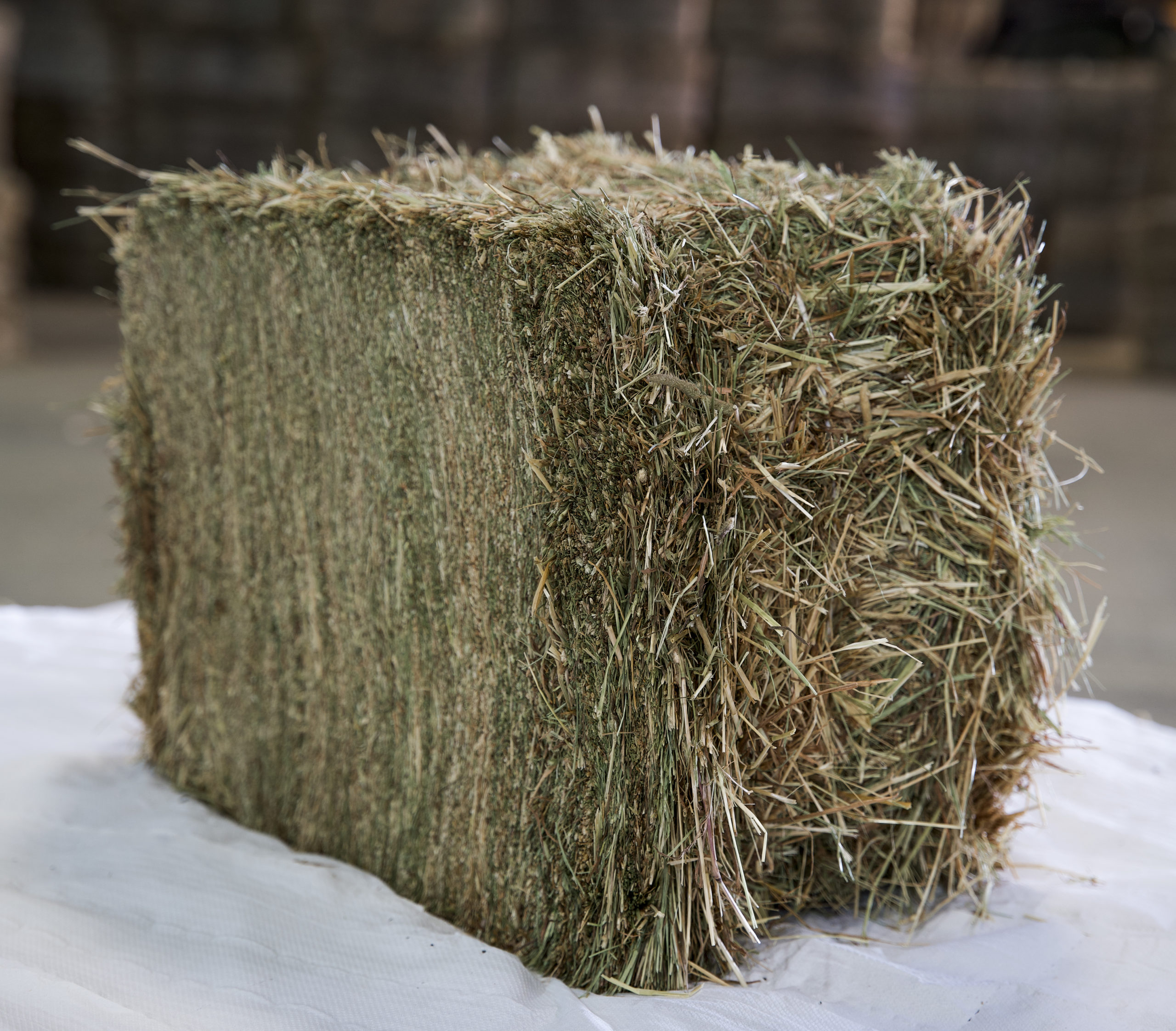
Timothy Hay
Price range: €18.00 through €28.00
At Hay Hub, we bring you Timothy Hay, a grass with a fascinating history. Native to Japan’s Hokkaido region, Timothy grass was introduced to North America by early settlers and later named after farmer Timothy Hanson who promoted its cultivation around 1720. Today, Timothy Hay is renowned for the regularity of its cuts and freedom from mycotoxins. Japan alone imports more than 80 percent of global production. Hay Hub sources Timothy Hay grown in France under strict specifications, using effective and guaranteed GMO free seeds. With its particularly high sugar content, this hay is ideal for racing and sport horses.
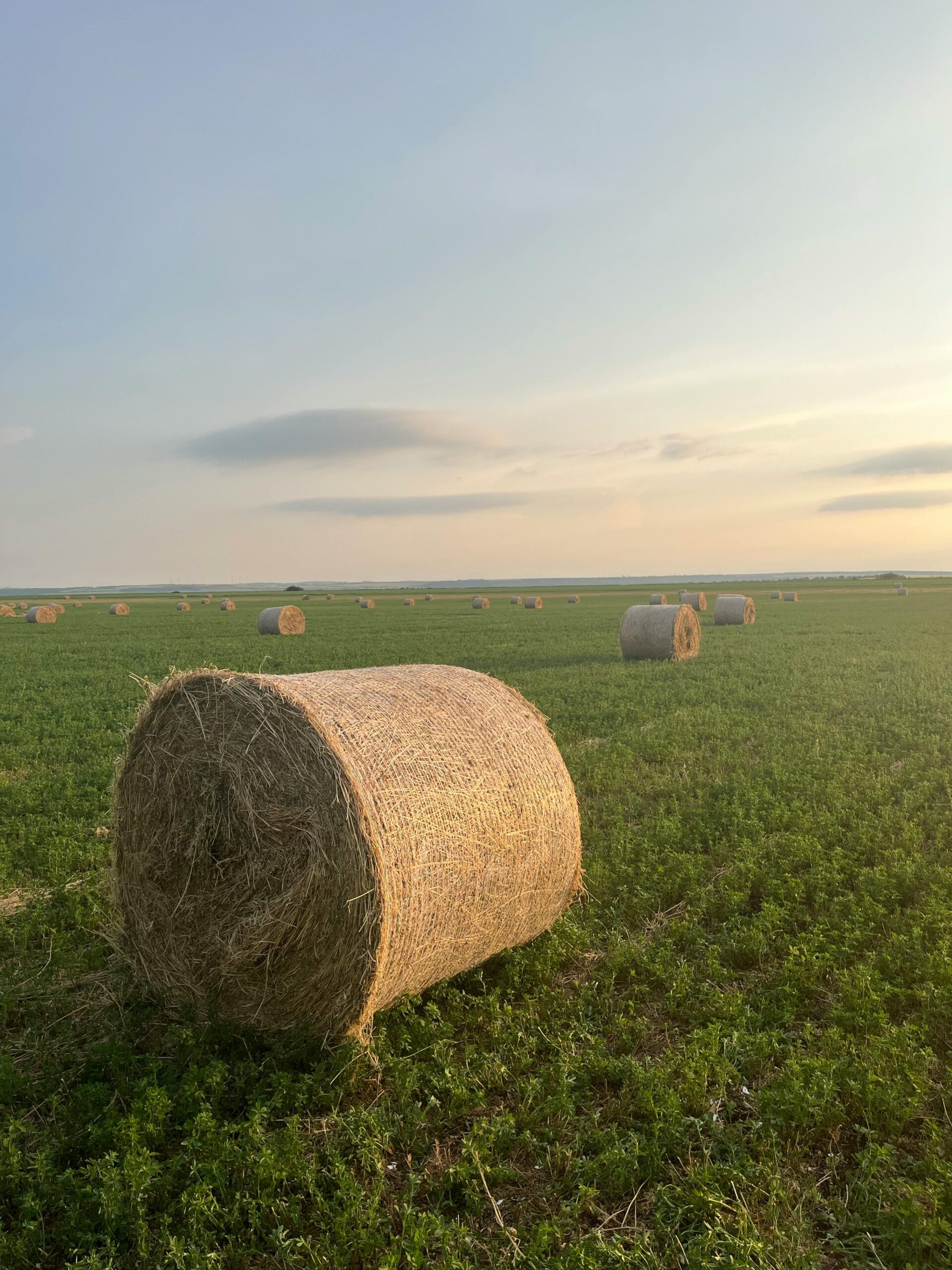
Welcome to Hay Hub, where we bring you forages with history, quality, and performance. Timothy Hay has a remarkable story. The grass is native to Japan’s Hokkaido region, but it was involuntarily introduced to North America by the first European settlers. A farmer named Timothy Hanson introduced it to the southern United States in the early 18th century and began promoting its cultivation as hay around 1720. The grass has carried his name ever since. Today, Timothy Hay is used for feeding dairy and beef cattle, and it is particularly popular in Asian horse racing markets.
Production and export of Timothy Hay have expanded rapidly in recent years across Western Canada, the United States, and Australia. Japan alone imports more than 80 percent of the world’s Timothy Hay. This hay is renowned for the regularity of its cuts and its freedom from mycotoxins, making it a trusted choice for high performance animals.
At Hay Hub, we are proud to offer Timothy Hay grown in France. The Hay France Company contracts the cultivation of Timothy Hay according to a precise specification. Producers are located in regions where the climate allows for optimal growth. The seeds used are effective and guaranteed GMO free. This means you receive a product that is natural, safe, and consistent.
Nutritionally, Timothy Hay from Hay Hub delivers 11 to 13 percent protein and 0.70 UF. This hay has a particularly high sugar content, which makes it ideal for racing and sport horses that require quick energy and sustained performance. The detailed nutritional profile is as follows. Food energy per kilogram of dry matter is UFC 0.57. The nitrogen value is MADC 42 grams per kilogram of dry matter. Phosphorus content is 5 grams per kilogram of dry matter, and calcium content is 6 grams per kilogram of dry matter.
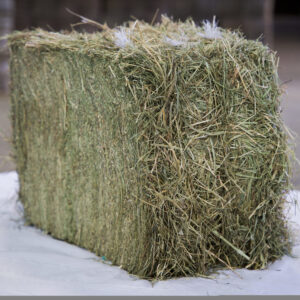
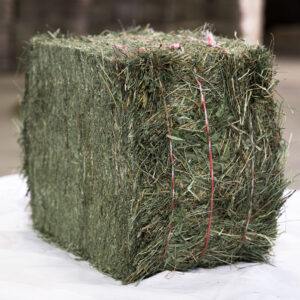
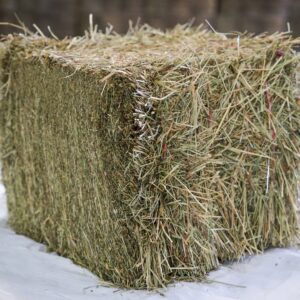
At Hay Hub, we offer Timothy Hay in CHC bales, which stand for Calibrated High Compression bales. These bales provide consistent quality, easy handling, and precise portion control. Compression removes air from the bale, reducing oxidation and preserving nutrients. Compacted slices encourage animals to take more bites and produce more salivation, supporting slower and healthier digestion. All CHC bales from Hay Hub are calibrated, compressed, palletized, and filmed. They are bound using polyane string and delivered on pallets of 24 to 48 bales.
Quality control is rigorous at every stage. From production to storage, hydrometric controls are practiced. Any lot that does not meet quality criteria is listed and downgraded. A sample is taken from each batch and analyzed by a certified laboratory. This guarantees the accuracy of your rations and gives you complete confidence in every bale of Timothy Hay you buy from Hay Hub.
The advantages of CHC bales are clear. You save up to half your storage space. Handling is easy thanks to the small size. Nutrient preservation is guaranteed because compression reduces hay oxidation. Assimilation improves because compacted slices require more bites and more salivation. Your animals also regain a feeling of grazing, which reduces boredom and supports natural behavior.
For a 450 kg horse, Hay Hub recommends approximately 8 kg of Timothy Hay per day in two meals with a complement, or 12 kg per day if feeding 100 percent hay. This hay also provides entertainment in the box, keeping horses engaged between meals. For cattle, adjust according to their specific needs. Whether you train racehorses, compete in equestrian sports, or simply want a reliable, high sugar hay for your animals, Timothy Hay from Hay Hub delivers history, quality, and performance.
| Weight | N/A |
|---|---|
| Dimensions | N/A |
| Weight | Nano CHC Bale (25kg), CHC Bale (30kg), CHC Bale Large (40kg) |
| Shape | Round Bales, Square Bales |
Be the first to review “Timothy Hay”
Related products
Reviews
There are no reviews yet.