

Hay Guides
Buy Hay: 7 Essential Tips for Premium Forage | Hay Hub
May
Buy Hay: 7 Essential Tips for Premium Forage
When you need to buy hay for your livestock, making the right choice is crucial. High-quality hay provides essential nutrients, promotes good digestion, and contributes to the overall health and well-being of your animals. This comprehensive guide will walk you through seven essential tips to help you select and purchase the best forage available, ensuring your investment pays off in healthy, thriving animals.
1. Understand Your Animals’ Nutritional Needs Before You Buy Hay
Different animals have different dietary requirements. For instance, horses, cattle, sheep, and goats all have unique nutritional needs that influence the type of hay they should consume. Young, growing animals or lactating mothers often require more protein and energy than mature, idle animals. Understanding these specific needs is the first step in making an informed decision when you buy hay.
Consider consulting with an equine nutritionist or veterinarian to get precise recommendations tailored to your animals’ age, activity level, and health status. They can help you determine the ideal protein, fiber, and energy content your hay should possess. This foundational knowledge will prevent you from buying hay that doesn’t meet your livestock’s specific dietary demands.
2. Inspect Hay Visually: Color, Texture, and Leafiness
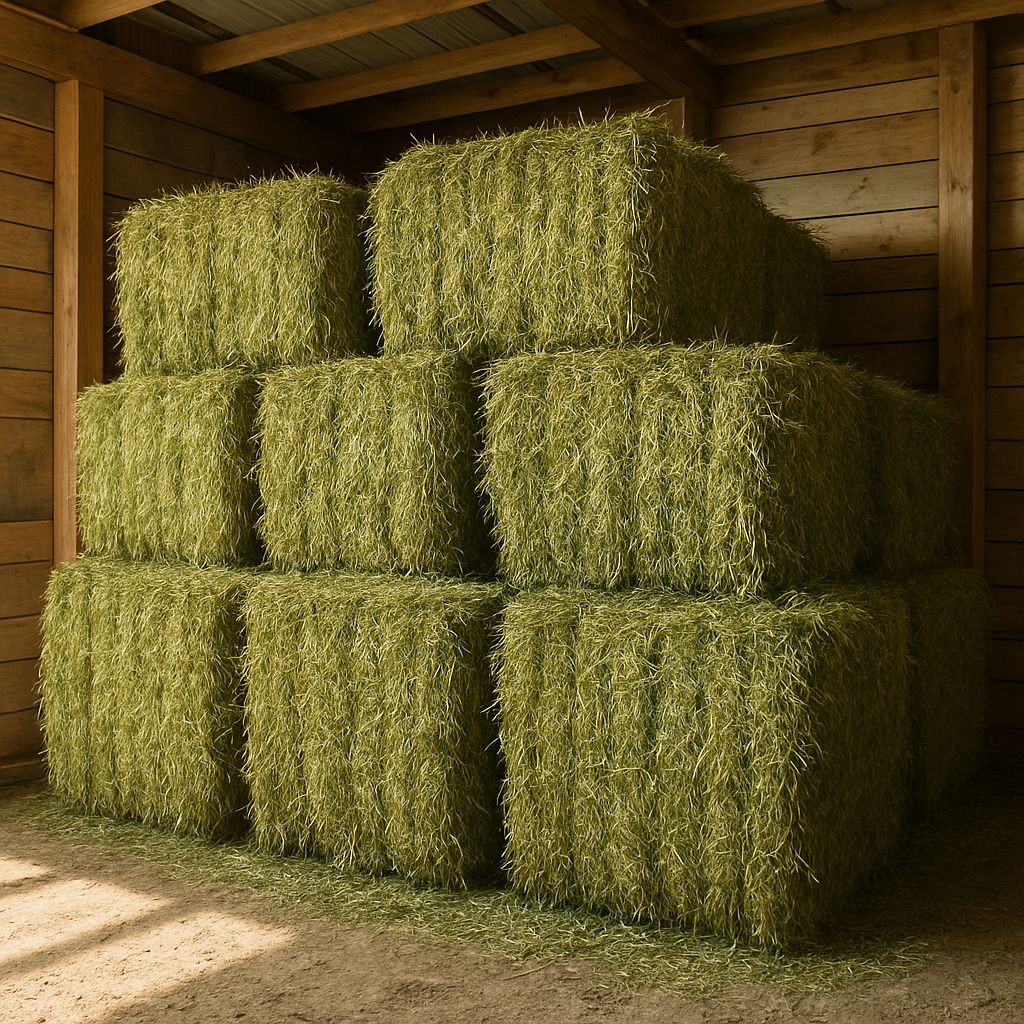
A thorough visual inspection is your initial defense against poor-quality hay. Premium hay typically boasts a vibrant green color, indicating it was harvested at the optimal stage and properly cured. Avoid hay that appears yellow, brown, or bleached, as this often signifies over-maturity, sun damage, or improper storage, leading to nutrient loss.
Feel the hay for texture. Good hay should be soft and pliable, not coarse or brittle. A high leaf-to-stem ratio is desirable, especially for legumes like alfalfa, as leaves contain the majority of the nutrients. If the hay feels overly stalky with few leaves, its nutritional value will likely be lower. The presence of mold, dust, or foreign materials like weeds is a red flag and indicates substandard quality.
3. Smell the Hay: A Key Indicator of Quality
The smell of hay can tell you a great deal about its quality. Fresh, well-cured hay should have a sweet, slightly grassy aroma. It should smell clean and inviting. If you detect any musty, moldy, sour, or fermented odors, steer clear. These smells are strong indicators of spoilage, which can lead to respiratory issues, digestive problems, and even toxicity in animals.
Never underestimate the power of your nose when you buy hay. An unpleasant odor is a clear sign that the hay has been exposed to moisture, leading to mold growth. While some molds are harmless, others produce toxins that can be extremely dangerous to livestock. Always prioritize hay with a pleasant, fresh scent.
4. Check for Moisture Content and Bale Density
Moisture content is critical for preventing mold and spoilage. Ideally, hay should have a moisture content between 10% and 17%. Hay that is too wet (above 20%) will heat up, ferment, and mold, posing a fire risk and health hazard. Hay that is too dry (below 8%) can be overly brittle, leading to excessive leaf shatter and nutrient loss during handling.
While a moisture meter is the most accurate tool, you can get a rough idea by twisting a handful of hay. If it feels damp or warm, it’s likely too wet. Bale density is also important. Well-baled hay should feel firm and compact, holding its shape without being excessively loose. Loose bales are harder to store, transport, and often indicate poor baling practices. Hay that is too loose can also be a sign of poor quality or improper handling.
5. Understand Different Types of Hay Forage
There are generally two main categories of hay: grass hay and legume hay. Each has distinct characteristics and nutritional profiles.
Grass Hay
- Timothy: Highly palatable, low protein, high fiber. Excellent for horses.
- Orchardgrass: Similar to Timothy, slightly higher protein. Good for many livestock types.
- Fescue: Hardy, but some varieties can contain endophytes harmful to pregnant mares.
- Bermudagrass: Common in warmer climates, generally lower in protein and energy.
Legume Hay
- Alfalfa: High in protein, calcium, and energy. Often used for growing animals, lactating animals, or those needing extra calories.
- Clover: Similar to alfalfa but generally slightly lower in protein. Can cause slobbers in horses if consumed in large quantities.
Knowing the type of hay you are buying helps you match it to your animals’ needs. Often, a blend of grass and legume hay provides a balanced diet for many animals.
6. Request a Forage Analysis Before You Buy Hay
For the most accurate assessment of hay quality, especially when purchasing large quantities or for specific dietary needs, request a forage analysis. This laboratory test provides detailed information on nutrient content, including protein, fiber (NDF, ADF), energy, minerals, and moisture.
A forage analysis takes the guesswork out of feeding and ensures you are providing a balanced diet. Many reputable hay sellers will have recent forage analysis reports available, or you can request a sample to have tested yourself. This small investment can prevent health issues and optimize your feeding program significantly. This is particularly important if you frequently buy hay in bulk for a large herd.
7. Source from Reputable Suppliers and Ask Questions
Choosing a reliable supplier is just as important as inspecting the hay itself. A reputable hay producer or dealer will be transparent about their harvesting and storage practices. They should be able to tell you when the hay was cut, what type of forage it is, and if any pesticides or herbicides were used.
Don’t hesitate to ask questions about how the hay was stored. Was it under cover, off the ground, and protected from the elements? Good storage prevents spoilage and maintains quality. Ask for references or check online reviews if possible. Building a relationship with a trusted supplier ensures consistent access to high-quality forage. When you find a good source, it makes the process to buy hay much easier in the future.
Selecting the right hay is a critical part of animal husbandry. By following these seven essential tips – understanding nutritional needs, visual inspection, checking for smell and moisture, knowing hay types, requesting forage analysis, and sourcing from reputable suppliers – you can confidently buy hay bales shop that will keep your livestock healthy and thriving. Investing time in proper selection now will save you countless headaches and expenses down the road.
Ready to explore top-quality forage options? Visit our hay guides for more information and browse our extensive selection at Hay Hub today!
