

Hay Guides
Rye Grass Hay: 7 Proven Benefits for Livestock | Hay Hub
May
Rye Grass Hay: A Premium Forage Choice
When it comes to selecting the best forage for your livestock, the options can seem endless. However, hay bales shop owners and farmers consistently turn to rye grass hay for its exceptional nutritional profile and versatility. This highly digestible and palatable hay is a staple in many feeding programs across Europe, providing essential nutrients for various animals.
Rye grass hay, derived from perennial or annual ryegrass, is renowned for its rapid growth, high yield, and excellent feed quality. It’s particularly favored for its energy content and fiber balance, making it suitable for a wide range of livestock, from horses and cattle to sheep and goats. Understanding its specific benefits can help you make informed decisions for your animals’ health and productivity.
The Nutritional Advantage of Rye Grass Hay
One of the primary reasons for the popularity of rye grass hay is its superior nutritional value. It’s packed with digestible energy, crude protein, and essential minerals, which are crucial for animal growth, milk production, and overall well-being. The specific nutrient content can vary based on factors like harvest maturity and growing conditions, but it consistently offers a strong nutritional foundation.
Compared to some other forage types, rye grass hay often boasts higher levels of non-structural carbohydrates (NSC), which provide readily available energy. This makes it an excellent choice for animals with high energy demands, such as lactating cows, growing young stock, or performance horses. Analyzing a forage sample is always recommended to get precise nutritional data for your specific batch.
Enhanced Digestibility and Palatability
Livestock, especially horses, can be particular about their feed. Rye grass hay is known for its excellent palatability, meaning animals readily consume it. This high acceptance rate ensures that animals receive the nutrients they need without wastage, which is a significant economic benefit for farmers. The soft texture and sweet aroma contribute to its appeal.
Beyond palatability, the digestibility of rye grass hay is a major advantage. Its fine stems and leafy structure are easier for animals to break down and absorb nutrients from compared to coarser forages. This high digestibility translates to better nutrient utilization, improved gut health, and reduced risk of digestive upset. For animals with sensitive digestive systems, such as older horses or those prone to colic, this can be particularly beneficial.
Ideal Forage for Horses and Cattle
Rye grass hay is a cornerstone in the diets of many horses and cattle. For horses, it provides a balanced energy source without being overly rich, supporting athletic performance and maintaining healthy body condition. Its fiber content promotes healthy gut function, which is critical for preventing digestive issues common in equines.
Cattle, especially dairy cows, benefit immensely from the high energy and protein content of rye grass hay. It supports strong milk production and helps maintain body condition through lactation cycles. Beef cattle also thrive on it, showing good growth rates and efficient feed conversion. Its versatility makes it a go-to choice for a variety of bovine needs.
Promoting Healthy Growth in Young Animals
Young animals, whether foals, calves, or lambs, have specific nutritional requirements for healthy development. Rye grass hay offers a nutrient-dense and easily digestible option that supports rapid growth and strong bone development. Its protein content is vital for muscle formation, while the energy fuels their active lifestyles.
Introducing rye grass hay to young animals helps them transition from milk to solid feed smoothly. Its palatability encourages early consumption, ensuring they receive adequate nutrition during critical developmental stages. Always ensure that the hay is clean, dust-free, and of high quality for young stock to prevent any health issues.
Comparing Rye Grass Hay with Other Forages
While many types of hay exist, rye grass hay often stands out for its unique combination of benefits. For instance, while alfalfa hay is higher in protein and calcium, rye grass provides a more balanced energy and fiber profile, making it suitable for a broader range of animals without the risk of excessive protein intake. Timothy hay is another popular choice, often praised for its lower NSC content, but rye grass can offer higher energy for performance animals.
The choice between different hays often depends on the specific needs of your livestock, their activity level, and any underlying health conditions. However, rye grass hay frequently serves as an excellent foundational forage that can be supplemented as needed. Understanding these comparisons helps farmers make informed decisions for their feeding strategies.
Sustainable Farming with Rye Grass Forage
Beyond its direct benefits to livestock, rye grass plays a significant role in sustainable agricultural practices. As a cover crop, it improves soil health, prevents erosion, and can reduce the need for synthetic fertilizers. Its rapid growth cycle allows for multiple cuttings in a season, providing a consistent supply of forage while maintaining soil integrity.
Many farmers integrate rye grass into their crop rotations to enhance biodiversity and improve the overall resilience of their land. This sustainable approach not only benefits the environment but also contributes to the long-term viability of forage production, ensuring a steady supply of high-quality hay for future generations of livestock. For more detailed insights into forage management, explore our hay guides.
Storage and Quality of Rye Grass Hay
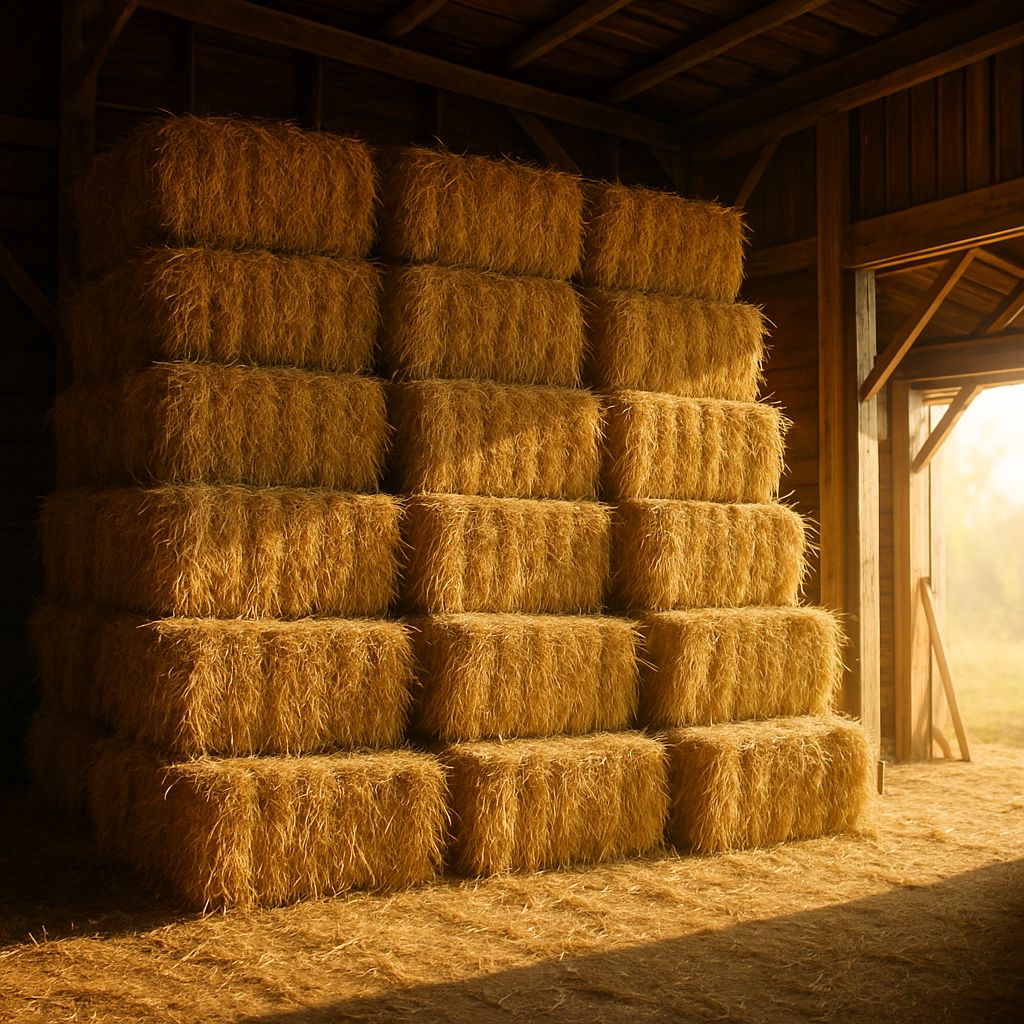
Maintaining the quality of your rye grass hay is crucial to preserving its nutritional value. Proper storage is key: hay should be kept in a dry, well-ventilated area, protected from rain, moisture, and direct sunlight. Storing hay off the ground on pallets can prevent moisture absorption from the soil and improve air circulation, reducing the risk of mold growth.
Regularly inspecting your hay for signs of mold, dust, or foreign objects is also important. High-quality hay should have a fresh, sweet aroma and a green to golden color. Avoiding overly mature hay, which tends to be stemmier and less digestible, ensures your animals receive the most benefit. Hay quality directly impacts animal health and performance.
In conclusion, rye grass hay stands out as a top-tier forage option for a multitude of livestock. Its excellent nutritional profile, high palatability, and digestibility make it an invaluable component of a balanced feeding program. From supporting the robust growth of young animals to fueling the high demands of performance horses and dairy cows, its benefits are extensive and well-documented.
Ready to provide your animals with the best? Explore our wide selection of premium rye grass hay and other quality forages. Visit our hay bales shop today to find the perfect hay for your livestock’s needs!
