

Hay Guides
Difference Between Hay and Haylage: 7 Proven Facts | Hay Hub
May
Difference Between Hay and Haylage: Essential Forage Choices
Understanding the fundamental hay guides and distinctions between hay and haylage is paramount for any livestock owner, especially those with horses. While both are forms of preserved forage, their production methods, nutritional profiles, and storage requirements vary significantly. Making an informed choice directly impacts your animals’ health, wellbeing, and performance.
What is Hay? The Traditional Forage
Hay is essentially dried grass. The process involves cutting fresh grass, allowing it to dry naturally in the field until its moisture content drops significantly (typically below 15-20%), and then baling it. This drying process inhibits microbial growth, preserving the grass for long-term storage. The quality of hay can vary greatly depending on the grass species, maturity at cutting, weather conditions during drying, and storage methods.
Traditional haymaking relies heavily on good weather. A few days of sunshine are critical to ensure the grass dries thoroughly without molding. If hay gets wet during drying, it can develop mold and become unsuitable for feeding, particularly to horses, due to potential respiratory issues and colic.
What is Haylage? A Modern Alternative
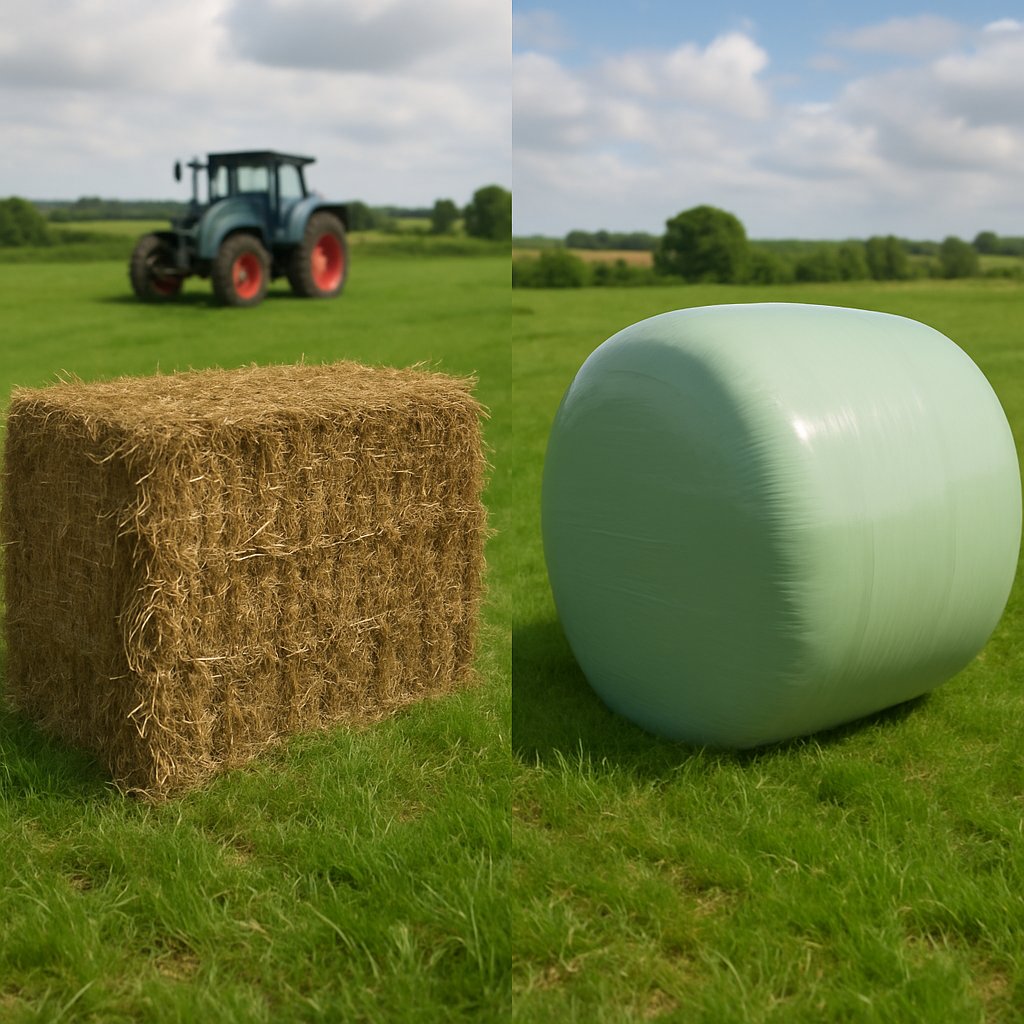
Haylage, on the other hand, is a form of fermented forage. It’s made from grass that is cut earlier than hay, allowed to wilt for a shorter period, and then baled at a higher moisture content (typically 40-60%). These bales are then sealed in airtight plastic wrap. This anaerobic environment encourages fermentation by lactic acid bacteria, which produces acids that preserve the forage, similar to silage.
The fermentation process in haylage is key to its preservation. It creates an acidic environment that prevents the growth of spoilage organisms. Because it doesn’t require extensive field drying, haylage production is less dependent on prolonged periods of dry weather, making it a more reliable option in unpredictable climates.
The Key Difference Between Hay and Haylage: Moisture Content
The most significant and defining difference between hay and haylage lies in their moisture content. Hay is dried to a very low moisture level, typically under 20%, to prevent spoilage. Haylage is baled at a much higher moisture content, generally between 40% and 60%, and then sealed to undergo fermentation.
This difference in moisture content dictates almost all other variations between the two forages, including their nutritional value, storage, palatability, and suitability for different animals. A higher moisture content in haylage means that, pound for pound, it contains less dry matter than hay. Therefore, animals may need to consume a greater weight of haylage to receive the same amount of dry matter and nutrients.
Nutritional Variations: Energy, Protein, and Digestibility
Due to the differences in harvesting and preservation, hay and haylage often present distinct nutritional profiles. Haylage is typically cut earlier when the grass is younger and more digestible, often resulting in higher energy and protein content compared to mature hay. The fermentation process can also enhance the digestibility of certain nutrients.
However, the exact nutritional content can vary widely for both. Factors like grass species, stage of maturity at cutting, and specific environmental conditions play a huge role. It’s always recommended to have forage analyzed to know its precise nutritional breakdown, especially for animals with specific dietary needs or health conditions.
Energy Content
Generally, haylage tends to have a higher digestible energy content than hay, primarily because it’s harvested at an earlier stage of growth when the plants are more nutritious. This can be beneficial for high-performance animals or those needing to gain weight.
Protein Levels
Similarly, protein levels in haylage are often higher than in hay, again due to harvesting younger grass. This makes haylage a good option for young, growing animals or lactating mares who have higher protein requirements.
Fiber and Digestibility
While haylage might be more digestible overall, hay often contains a higher proportion of indigestible fiber (structural carbohydrates) as the grass matures. This can be beneficial for gut health in some animals, promoting slow digestion and a steady release of energy.
Storage and Shelf Life: A Critical Difference Between Hay and Haylage
The storage requirements for hay and haylage are vastly different. Hay must be stored in a dry, well-ventilated area to prevent moisture absorption, which can lead to mold and spoilage. A barn or shed is ideal, protecting it from rain and ground moisture. Properly stored hay can last for several years without significant loss of quality.
Haylage, conversely, requires airtight storage. The plastic wrap around the bales is crucial for maintaining the anaerobic conditions necessary for fermentation. Any punctures or tears in the wrap can introduce oxygen, leading to spoilage, mold growth, and a significant reduction in nutritional value. Once a haylage bale is opened, it has a limited shelf life, typically 3-7 days depending on ambient temperature, as it quickly begins to spoil when exposed to air.
Palatability and Animal Suitability
Many animals, particularly horses, find haylage highly palatable. Its softer texture and slightly acidic, fermented scent can be very appealing. This can be an advantage for picky eaters or animals with dental problems who might struggle with coarse hay. However, the higher moisture content means animals need to eat more haylage by weight to get the same dry matter intake as hay.
Hay, being drier and often coarser, can also be highly palatable, but its texture and dust levels can sometimes be an issue for animals with respiratory sensitivities. The choice often comes down to individual animal preference and specific health needs. For instance, horses prone to gastric ulcers might benefit from the higher moisture content of haylage, while those needing to manage weight might do better with carefully selected hay.
Horses and Haylage
Haylage is a popular choice for horses, especially performance horses, due to its higher energy and protein. It’s also often dust-free, which is excellent for horses with respiratory issues like COPD. However, careful management is needed to avoid overfeeding due to its higher palatability and to monitor for potential digestive upset if introduced too quickly.
Cattle and Hay
Cattle can consume both, but hay is a traditional staple. High-quality hay provides essential fiber and nutrients. Haylage is also used, particularly for dairy cows, to boost energy intake, but its lower pH can sometimes be a concern if not managed properly in their diet.
Cost Implications and Availability
The cost of hay and haylage can vary significantly based on region, weather, and market demand. Generally, haylage can sometimes be more expensive per bale due to the additional machinery and plastic wrap required for its production. However, when considering the dry matter content, the cost per unit of nutrition might be more comparable.
Availability also plays a role. In areas with consistently wet climates, haylage production might be more reliable and therefore more readily available than high-quality hay. Conversely, in drier regions, hay might be the more common and economical option. Always factor in transport costs and the potential for spoilage when calculating the true cost of your forage.
Health Considerations: Respiratory and Digestive Health
When considering the difference between hay and haylage, animal health is paramount. Hay tends to be dustier than haylage, which can exacerbate respiratory problems in sensitive horses. Soaking hay can reduce dust and respirable particles, but it also leaches out some water-soluble nutrients.
Haylage, being moister and fermented, is virtually dust-free, making it an excellent choice for horses with conditions like recurrent airway obstruction (RAO). However, the fermentation process results in a lower pH, which can be a concern for some animals, particularly those prone to gastric ulcers, if not introduced gradually and managed correctly. Ensuring high-quality haylage with good fermentation is crucial to prevent the growth of undesirable bacteria that can cause digestive upset.
Making the Right Choice for Your Animals
Ultimately, the decision between hay and haylage depends on several factors: your animals’ specific nutritional needs, health status, palatability preferences, your climate, storage facilities, and budget. For many, a combination of both might be the most effective strategy, allowing for flexibility and catering to diverse requirements within a herd or stable.
Always introduce any new forage type gradually to allow your animals’ digestive systems to adjust. Regular forage analysis is highly recommended to ensure you are meeting your animals’ dietary requirements accurately. By understanding the core distinctions, you can confidently select the best forage for your livestock.
Ready to secure premium forage for your animals? Explore our extensive selection of high-quality hay and haylage options today. Visit our hay bales shop to find the perfect feed for your livestock!
