

Hay Guides
Hay Near Me: 7 Proven Ways to Find Premium Hay | Hay Hub
May
Hay Near Me: Finding Quality Forage Locally
When you’re searching for “hay near me,” you’re not just looking for any hay; you’re looking for quality forage that meets the specific nutritional needs of your livestock. The availability of good hay is crucial for the health and well-being of horses, cattle, sheep, goats, and other animals. Sourcing hay locally can also save on transport costs and reduce your environmental footprint. This comprehensive guide will walk you through seven proven methods to help you find the best hay in your local area, ensuring your animals thrive.
The quest for reliable hay sources can sometimes feel overwhelming, particularly during seasons when supply is tight or demand is high. Understanding where to look and what questions to ask are key steps in securing a consistent and high-quality supply. From traditional methods to modern digital solutions, there are numerous avenues to explore. We’ll delve into each one, providing practical tips and insights to make your search for hay near me as efficient and successful as possible.
1. Leverage Local Agricultural Networks and Co-ops
One of the most effective ways to find hay is by tapping into existing agricultural networks. Local farmers’ co-operatives, agricultural extension offices, and livestock associations often have extensive lists of hay producers in the region. These organizations are designed to support local farmers and can be invaluable resources. They frequently facilitate connections between buyers and sellers, sometimes even operating their own hay listing services.
Attending local farm auctions or agricultural events can also provide excellent networking opportunities. You’ll not only meet potential hay sellers but also gain insights into local market conditions and pricing. Don’t underestimate the power of word-of-mouth within these communities. A quick chat with an experienced farmer can often lead you directly to a trusted supplier of quality hay.
2. Explore Online Marketplaces and Classifieds for Hay Near Me
In the digital age, online platforms have become powerful tools for finding everything, including hay. Websites like Facebook Marketplace, Craigslist, and specialized agricultural classifieds (e.g., FarmFlip, TractorHouse) are excellent starting points. Many farmers list their hay for sale on these platforms, often including details about the type of hay, bale size, quantity, and price.
When searching online, use specific keywords such as “hay for sale,” “alfalfa hay,” “timothy hay,” “grass hay,” and, of course, “hay near me,” followed by your location. Always be cautious when dealing with online sellers. Ask for photos, inquire about the hay’s origin and storage conditions, and ideally, arrange a visit to inspect the hay before committing to a purchase. This due diligence helps ensure you’re getting exactly what you pay for.
3. Visit Local Feed Stores and Farm Supply Shops
Your local feed store is more than just a place to buy animal feed; it’s often a hub of local agricultural information. Many feed stores either sell hay directly or maintain a bulletin board (physical or digital) where local hay producers post their offerings. The staff at these stores are usually well-connected within the farming community and can provide recommendations or put you in touch with reputable suppliers.
Furthermore, farm supply shops often carry a variety of hay types, especially in smaller quantities, which can be useful if you only need a few bales or want to sample different kinds of hay before making a larger purchase. They can also offer advice on different hay types and their suitability for various animals.
4. Drive Through Rural Areas and Look for Roadside Signs
Sometimes, the simplest methods are the most effective. Taking a drive through the countryside, especially during or after haying season, can reveal numerous “Hay for Sale” signs. Farmers often put up these signs on their property or at key intersections to attract local buyers. This method allows you to directly connect with producers and often see where the hay is stored.
While driving, pay attention to the quality of the fields you pass. Healthy, well-maintained pastures are a good indicator that the farmer takes pride in their forage production. If you see a sign, don’t hesitate to stop and inquire. Direct communication can lead to good deals and establish a long-term relationship with a local supplier. This is a classic way to find hay near me that many still rely on.
5. Connect with Equine and Livestock Professionals
People who work closely with animals, such as veterinarians, farriers, horse trainers, and livestock transporters, are often excellent sources of information. They frequently interact with numerous animal owners and hay producers in the area and can recommend reliable suppliers. These professionals understand the importance of quality forage and can often steer you towards hay that meets specific dietary requirements for your animals.
Don’t be shy about asking for recommendations during your next visit to the vet or when your farrier is tending to your horses. Their insights are based on practical experience and can save you a lot of time and effort in your search for hay near me.
6. Utilize Social Media Groups and Forums
Beyond broad online marketplaces, many localized Facebook groups and online forums are dedicated to farming, livestock, or specific animal breeds. Searching for groups like “[Your Region] Horse Owners,” “[Your State] Cattle Farmers,” or “Local Hay & Forage” can connect you with a community of individuals who buy and sell hay regularly. Posting an inquiry in these groups, stating your needs and location, can yield quick responses.
These platforms also allow for peer reviews and recommendations, giving you a better sense of a seller’s reputation. Always remember to exercise caution, as with any online interaction, and verify the quality of the hay before purchase. Engaging with these communities can also provide valuable information beyond just finding hay, such as local farming tips and advice.
7. Consider Hay Brokers and Larger Distributors
If you’re struggling to find sufficient quantities locally, or if you have very specific quality requirements, a hay broker or larger distributor might be your best option. These businesses specialize in sourcing and selling hay, often from a wider geographical area. While they might not be “hay near me” in the strictest sense, they can deliver to your location and guarantee a certain quality and quantity.
Brokers can be particularly useful for securing specialty hays like certified weed-free hay or organic forage. They often have established relationships with multiple large-scale producers, providing a more consistent supply. While prices might be slightly higher due to their services, the convenience and assurance of quality can be well worth the investment, especially for large operations. You can learn more about different types of hay and their uses on Wikipedia’s Hay page.
What to Look for When Buying Hay
Once you’ve found potential suppliers, it’s crucial to evaluate the hay quality. Here are key factors to consider:
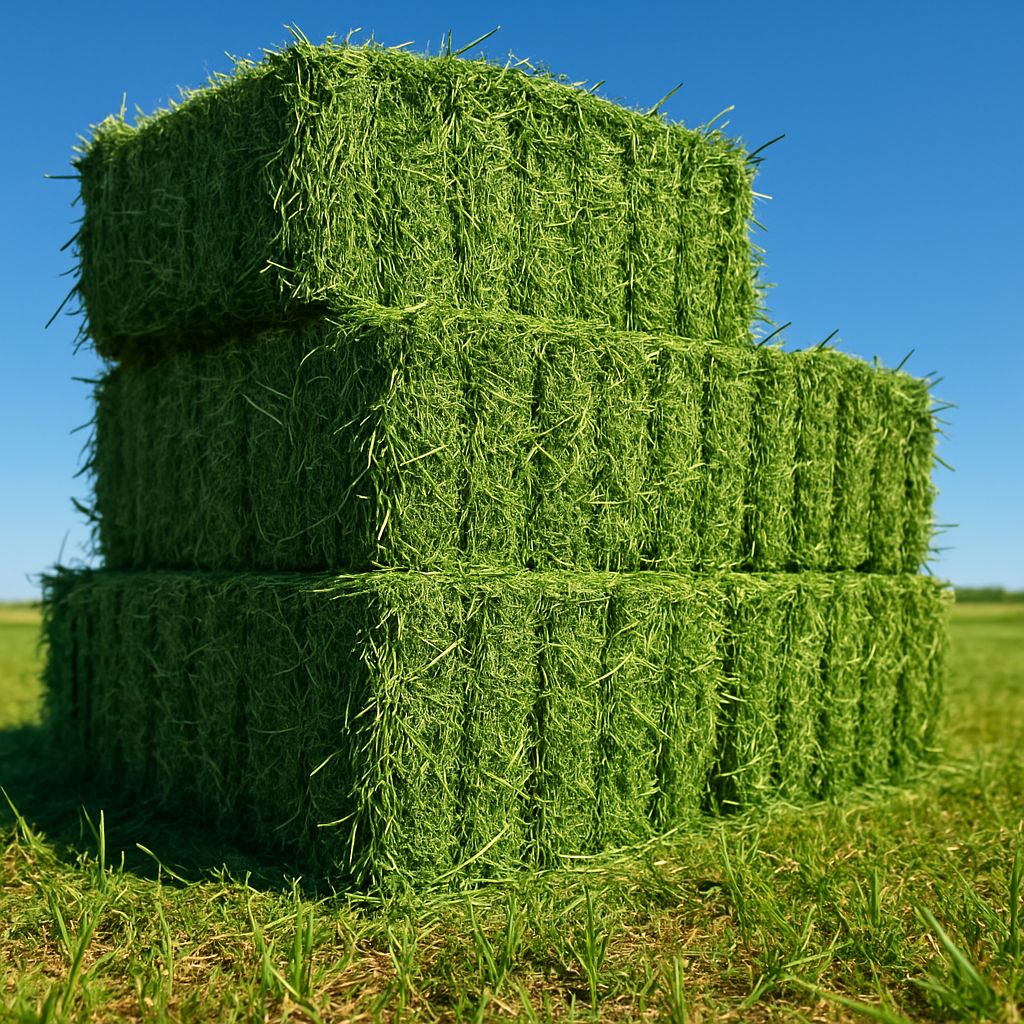
- Color: Good hay should be bright green, indicating proper curing and nutrient retention. Yellow or brown hay might suggest sun-bleaching or rain damage.
- Smell: It should have a fresh, sweet, slightly grassy aroma. A musty, moldy, or fermented smell indicates spoilage, which can be harmful to animals.
- Texture: Hay should feel soft and pliable, not brittle or dusty. Avoid hay with excessive coarse stems, as it may be less palatable and digestible.
- Weeds and Foreign Material: Inspect for weeds, trash, or other foreign objects. High weed content reduces nutritional value and can introduce undesirable plants.
- Moisture Content: Hay should be dry. Hay baled with too much moisture can heat up, mold, or even spontaneously combust. A moisture meter can confirm this, or a simple hand test (twisting a handful – it should snap, not bend).
- Bale Integrity: Bales should be tightly packed and hold their shape well, making them easier to handle and store.
Always ask for a forage analysis if available, especially for horses or animals with specific dietary needs. This analysis provides detailed nutritional information, including protein, fiber, and mineral content, allowing you to make informed decisions.
Storing Your Hay Properly
Finding good hay is only half the battle; proper storage is essential to maintain its quality. Hay should be stored in a dry, well-ventilated area, preferably off the ground. Using pallets to create a barrier between the hay and the ground prevents moisture absorption and improves air circulation.
Protecting hay from rain and direct sunlight is also critical. A barn, shed, or even a well-covered tarp can prevent spoilage and nutrient loss. Storing hay correctly ensures that the effort you put into finding quality hay near me pays off in the long run, providing your animals with nutritious forage throughout the feeding season.
For more detailed information on selecting and storing hay, explore our comprehensive hay guides.
In conclusion, finding reliable sources for “hay near me” requires a multi-faceted approach, combining traditional networking with modern digital tools. By utilizing local agricultural communities, online platforms, and the expertise of animal professionals, you can secure high-quality forage for your livestock. Remember to always inspect hay thoroughly before purchasing and prioritize proper storage to maintain its nutritional value. Your animals deserve the best, and with these strategies, you’ll be well-equipped to provide it.
Ready to stock up on premium forage? Visit our hay bales shop today and discover a wide selection of high-quality hay delivered directly to your farm.
